The smallest licensing deal is too big
Ask somebody who owns a character, a film, a game, a book or a museum collection whether they have thought about licensed product, and you get one of two answers. Either they tried and it went nowhere, or they assumed it was not for them.
The second answer is the interesting one, because it is correct. Licensing, as it is currently built, is genuinely not for them. Not because their property is bad. Because of a number.
The floor
To get a licensed product made the traditional way, somebody has to commit to around 10,000 units and 12 months. On top of that sits a guarantee of 25 to 50 percent of projected royalty, committed before a single unit sells, plus an advance. And a retailer will only give shelf space to a name that has already sold.
Each of those is reasonable on its own. Together they are a floor, and 77 percent of licensing royalties come from classic and franchise properties. That is the floor expressed as a share of the money.
Under the floor are two people who have never been introduced.
The first is the IP owner with one property. There is an audience. There is demand, often visible demand, sometimes visible in places nobody is being paid for. There is just no licensee willing to bet 10,000 units on it.
The second is the producer. A workshop, a microfactory, a specialist manufacturer, somebody who already makes beautifully and often already sells to an audience of their own. Around a fifth of manufacturing capacity in Europe and the United States is standing idle. Not because the machines are bad, but because they are too small for a rights holder's contract.
Both of them are told, in effect, to come back when they are bigger.
What actually happens instead
Demand does not wait. It goes somewhere else. There are 5.6 million active Etsy sellers and more than 100 million items already for sale, a good number of them unofficial versions of things people love.
The usual response to this is enforcement. Files come down, shops get suspended, occasionally somebody sues a platform. Earlier this year a major toy company sued a 3D printer manufacturer over files its users had uploaded. Every file came down and the case settled before trial, so the underlying question was never answered.
Enforcement removes the product. It does not remove the audience. The audience is still there the next morning, still wanting the thing, and now with one fewer place to get it.
The other way to read the same problem
If people want the product and somebody nearby can make it, the missing piece is not demand and it is not capacity. It is a licence small enough to be worth issuing.
That is what we built SomebodyMakeIt for. One licence, one producer, 150 units, three weeks. The IP owner sets the rules once, and those rules apply to everyone who makes the thing, without anybody chasing anybody.
SomebodyMakeIt is never party to the agreement. The agreements belong to the parties. We host the rail underneath: the licence, the approvals and the money run on it, and the product gets made near the customers who will buy it. You keep the rights and the relationships, you set the royalty rates and the splits, and you gain capacity without new headcount.
What small actually looks like
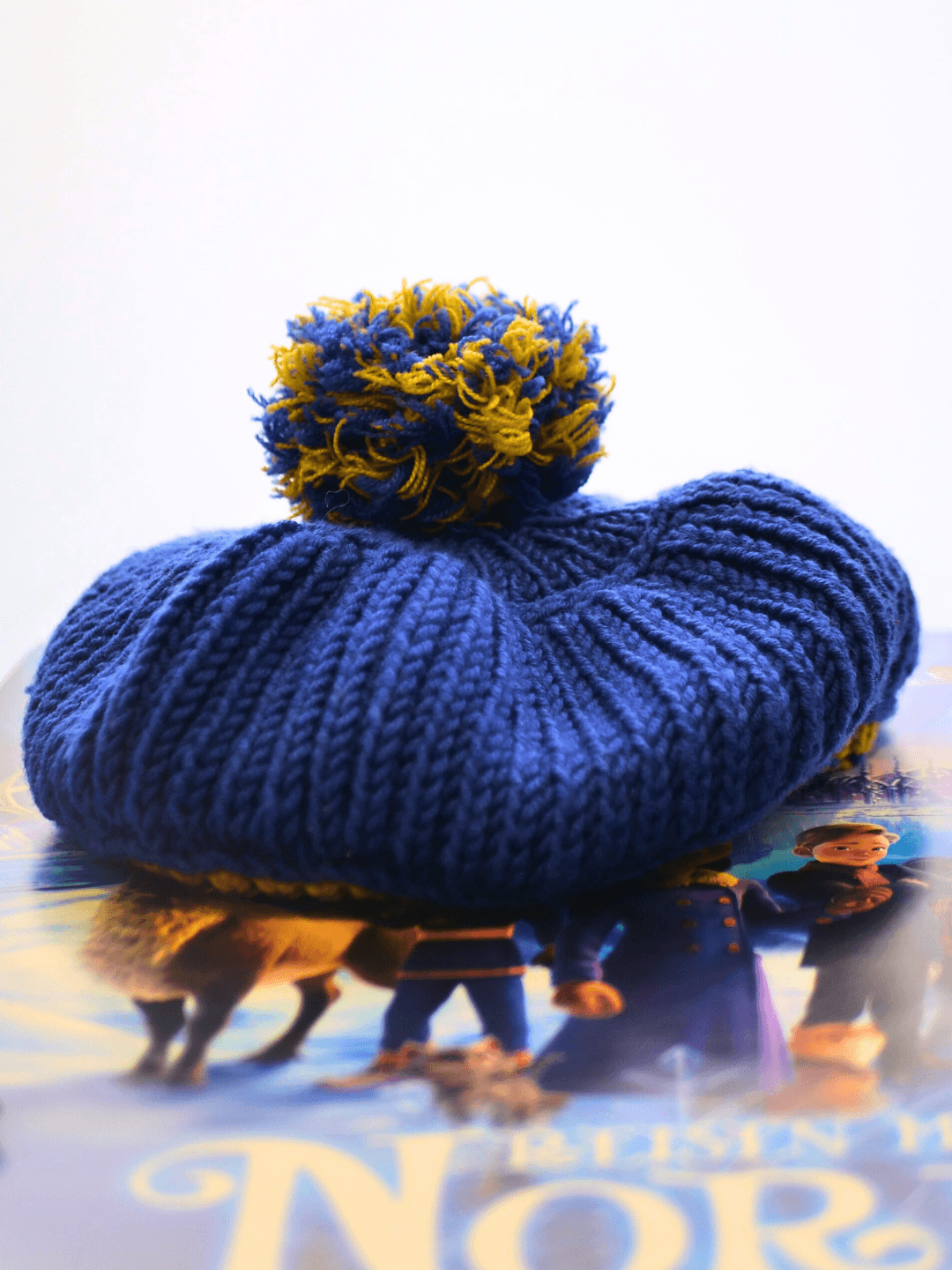
North came to us with seven products and a deadline. The traditional route they had been quoted was one product, 365 days, EUR 20,000. We matched them with 20 producers in one week, quoting 30 product types, and six local producers delivered 220 units in 21 days for EUR 4,000. Seventeen times faster, five times cheaper, delivered, reference available.
Babson ordered from the United States, produced in four days, delivered in twelve, with no coordination work on their side.
Neither of those is a 10,000 unit programme. That is the point. Rights, knowledge and royalties travel instead of inventory.
If you own one property
Start with one product, in one place, and see if it sells. If it sells, do it again somewhere else. Nobody has to bet a year and 10,000 units to find out.
Most IP never gets made because the smallest licensing deal is too big. We made it small.