How to Find a Manufacturer for Custom Physical Products
Finding a manufacturer for custom IP products comes down to 3 paths: direct factory sourcing (Alibaba and similar), print-on-demand services, or a vetted matching platform. For IP-driven brands with a deadline, the third path is how teams go from brief to matched producer in 24 hours and to shipped product in 3 to 6 weeks.
TL;DR
- 3 paths to a manufacturer: Alibaba-style direct sourcing, print-on-demand, or a vetted matching platform. The right one depends on volume, speed, and IP sensitivity.
- Before you commit, run a 5-question vet (prior work, MOQ, lead time, tooling ownership, QC process) and put NDAs plus tooling ownership in writing.
- Always run a small batch (50 to 200 units) before full production. Skip this step and you risk a 5,000-unit quality surprise.
The search is where most people get stuck.
Generic supplier directories give you thousands of results with no way to know who can actually handle your project. Alibaba listings look promising until you realize the minimum order is 5,000 units and nobody answers your emails. Cold-calling factories overseas takes weeks and rarely goes anywhere.
This guide walks you through the actual process of finding and working with a manufacturer for custom physical products, from brief to first shipment.
Step 1: Know What You Are Looking For
Before you search, get specific. The more clearly you can describe your product, the faster you will find the right person to make it.
You need to know:
- What category is it? Apparel, hard goods, packaging, electronics accessories, printed materials, collectibles, etc.
- What materials are involved? Fabric, foam, resin, wood, metal, vinyl?
- How many units do you need? A run of 50 is very different from a run of 5,000.
- Where do you need it? Local production, specific country, or fastest delivery regardless of location?
- When do you need it? Work backwards from your launch date.
These details will rule out a large portion of manufacturers immediately, which is a good thing. You want to find the right fit, not the longest list.
Step 2: Understand Your Options
Before you start reaching out, it helps to know what kind of maker you are looking for.
What Is the Difference Between a Manufacturer, a Maker, and a Supplier?
These terms get used interchangeably, but they mean different things.
A manufacturer produces goods at scale. They own or operate the machines and the facility. They are set up for volume and often have minimum order requirements.
A maker is typically a smaller-scale producer, sometimes an individual craftsperson or small studio. They are better suited for low-volume, high-craft, or one-of-a-kind projects.
A supplier is a middleman. They source goods from manufacturers (often overseas) and resell or customize them. They are faster to work with but give you less control over production quality and lead times.
For custom physical products, you usually want a manufacturer or a maker, depending on your volume. Suppliers work when speed matters more than customization depth.
Step 3: Search in the Right Places
Here is where most people waste time. General Google searches and mass-market directories surface the same crowded results. The manufacturers who are actually good at custom, small-batch, IP-driven work do not always show up at the top of a search.
Better options:
- Industry-specific directories filtered by category and capability (not just location)
- Trade shows for your product category
- Referrals from other brands or creators who have shipped similar products
- Platforms built specifically for custom product matching, where producers are vetted and filtered by what they can actually make
The last option is where the most time gets saved. SomebodyMakeIt (somebodymakeit.com) is one of them. Post a brief, and within 24 hours you get matched with vetted producers from a network of 850+ designers, makers, and manufacturers across 39 countries, filtered by capability and geography. You are not browsing a directory. You are getting introductions to people who can actually do the job.
Step 4: What Information Does a Manufacturer Need From You to Give a Quote?
Most quote requests go unanswered because they are too vague. To get a fast, accurate quote, give the manufacturer:
- Product description: What is it, what does it do, what does it look like?
- Materials and finishes: Be as specific as you can. If you have reference products, share photos.
- Dimensions and weight: Approximate is fine at first.
- Quantity: Give a range if you are not sure. "50 to 200 units" is more useful than "some."
- Packaging requirements: Does it need retail-ready packaging, or is plain poly bag fine?
- Delivery location and timeline: Where is it going, and when do you need it?
- File assets: If you have a logo, design file, or technical drawing, include it.
You do not need to have everything finalized. But the more complete your brief, the faster you will get back a real number.
Step 5: Vet Before You Commit
Finding a manufacturer is not the hard part. Finding one you can trust with your IP, your timeline, and your quality standards is.
Here is a practical framework for doing that.
The 5 Questions to Ask Any Manufacturer Before You Commit
Use these questions in your first conversation or email exchange. The answers will tell you most of what you need to know.
1. Have you made something like this before?
Ask for photos or examples. Any reputable producer will have them. If they cannot show you prior work in your category, that is a red flag.
2. What is your minimum order quantity for this type of product?
This filters out factories that are not set up for small batches. If your run is 100 units and their minimum is 2,000, move on.
3. What is your typical lead time from approved sample to shipment?
Get a specific number, not a range. "4 to 6 weeks" is acceptable. "It depends" is not.
4. Who owns the tooling and molds if we create custom dies or forms?
This matters for IP protection. If you pay for tooling, you should own it. Confirm this in writing before production starts.
5. What does your quality control process look like?
Look for specifics: inspection checkpoints, sample approval steps, defect tolerance rates. A manufacturer who cannot answer this clearly does not have a formal QC process.
If they pass all five, ask for a sample order or a small pilot run before you commit to full production volume.
Step 6: Protect Your IP
Custom products often involve proprietary designs, characters, logos, or trade dress. Before you share anything sensitive, take these steps.
How Do I Protect My IP When Working With Manufacturers?
Use an NDA before sharing designs. A simple non-disclosure agreement covers your design files and product concept. Many manufacturers, especially those accustomed to working with IP-driven brands, will sign one without pushback.
Limit what you share until you are ready. You do not need to send final production files to get a quote. A rough sketch or reference image is enough for initial conversations.
Register your designs where possible. In the US, design patents and copyright registration provide legal footing if a manufacturer reproduces your work without permission.
Work with vetted producers. Platforms that pre-screen manufacturers for reputation and track record reduce the risk significantly. SomebodyMakeIt only admits producers to the network who have been verified, which means you are not cold-pitching strangers with your IP.
Use milestone-based payments, not full payment upfront. A manufacturer who agrees to milestone payments (deposit, sample approval, pre-shipment, delivery) has skin in the game at every step. Workflow platforms like SomebodyMakeIt hold payment in escrow between milestones, so producers do not get paid until you approve each stage. That is a structural protection no NDA can give you.
Get everything in writing. Your purchase order should specify that all tooling, dies, and design files remain your property. Do not rely on verbal agreements.
Step 7: Run a Small Batch First
The most common mistake in custom product development is going straight to full production volume before validating demand or quality.
A small batch run (50 to 200 units) lets you:
- Check quality against your spec before committing to thousands of units
- Test sales, audience response, or partner interest
- Work out logistics and packaging issues on a smaller scale
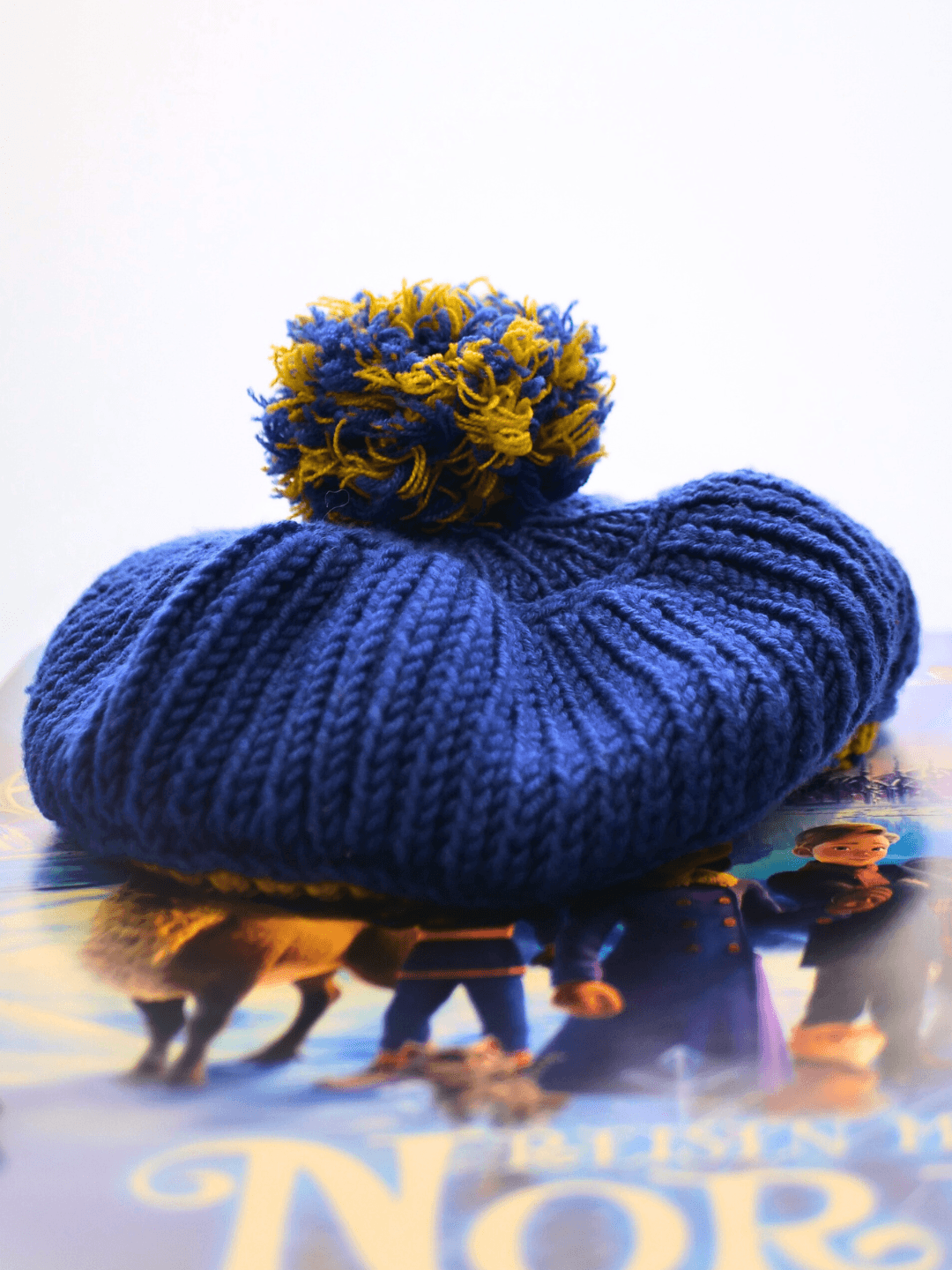
North The Movie did exactly this. They used SomebodyMakeIt to test 7 products in parallel, shipping 21 days after briefing, for a total cost of NOK 39,000 (~$3,700 USD). They did not need to pick one product and bet everything on it. They ran multiple small bets and scaled what worked.
Babson College ran a fully automated cross-border project for 150 units: 4 days to produce and ship, 12 days total order-to-delivery. That kind of speed is only possible when the matching and logistics infrastructure is already in place.
Summary: The Fast Path to a Manufacturer
- Define your product clearly before you search
- Decide whether you need a manufacturer, a maker, or a supplier
- Search in category-specific places, not generic directories
- Give a complete brief to get a real quote
- Vet with the 5-question framework before committing
- Protect your IP with an NDA and written agreements
- Start with a small batch before scaling
The process does not have to take months. With the right platform, the matching step can happen in under 24 hours.
Ready to Find Your Manufacturer?
Post your project on SomebodyMakeIt and get matched with vetted producers in 24 hours. 850+ makers and manufacturers across 39 countries, filtered by what they can actually make and where they are located.