How to Launch Merchandise for a Gaming or Entertainment Brand
Launching IP merchandise takes 3 to 6 weeks when you batch-test multiple products at 50 to 200 units each, instead of committing to a single 10,000-unit run. North The Movie used this model to ship 7 products in 21 days for NOK 39,000 (~$3,700 USD).
TL;DR
- Test 3 to 7 product types in parallel at small batch (50 to 200 units each) instead of betting on one large run.
- Use a workflow platform that matches you to vetted local makers in 24 hours and runs briefs, approvals, milestone payments, and shipping in one place.
- Scale only the SKUs that sell. Total first-cycle cost for an IP-driven brand is typically NOK 30K to 80K, not NOK 200K+.
The problem is that most merchandise guides are written for big brands with long timelines and big budgets. They assume you have a year and a factory relationship in place.
This guide is for everyone else. The indie studio. The film team with a launch window. The game developer who just hit a cultural moment and wants to move fast.
Here is how to actually do it.
The Basic Process (Before We Get Into Specifics)
Launching merchandise comes down to four steps:
- Decide what you are making. Start with one or two product types, not ten. T-shirts, enamel pins, and art prints are low-risk starting points. Figure out what your fans already buy from similar IPs.
- Find a manufacturer who can make it. This is where most people get stuck. More on this below.
- Prototype and sample. Before you order 500 units, order 5. Make sure the quality matches what your fans expect.
- Launch small, then scale. Sell your first batch. See what moves. Then reorder only the things that sold.
The old way was to skip steps 3 and 4 entirely, commit to a minimum order of 1,000 units, wait 6 to 12 months, and hope for the best. That is expensive and slow. There is a better way now.
How Long Does It Take to Launch Merchandise for a Gaming Brand?
The honest answer: it depends on how you do it.
The traditional route, working directly with overseas factories, can take 6 to 12 months from idea to product in hand. You spend weeks finding suppliers, weeks on emails, weeks waiting for samples, and then weeks waiting for a shipping container.
The faster route is to work with vetted local manufacturers who already have the capability you need. When you use a workflow platform like SomebodyMakeIt, you post a brief, get matched with producers in your region within 24 hours, then run approvals, milestone-based payments, and ship-from-maker logistics in the same place instead of across email and spreadsheets. The network covers 850+ designers, makers, and manufacturers across 39 countries.
The record on the platform is 12 days from order to delivery.
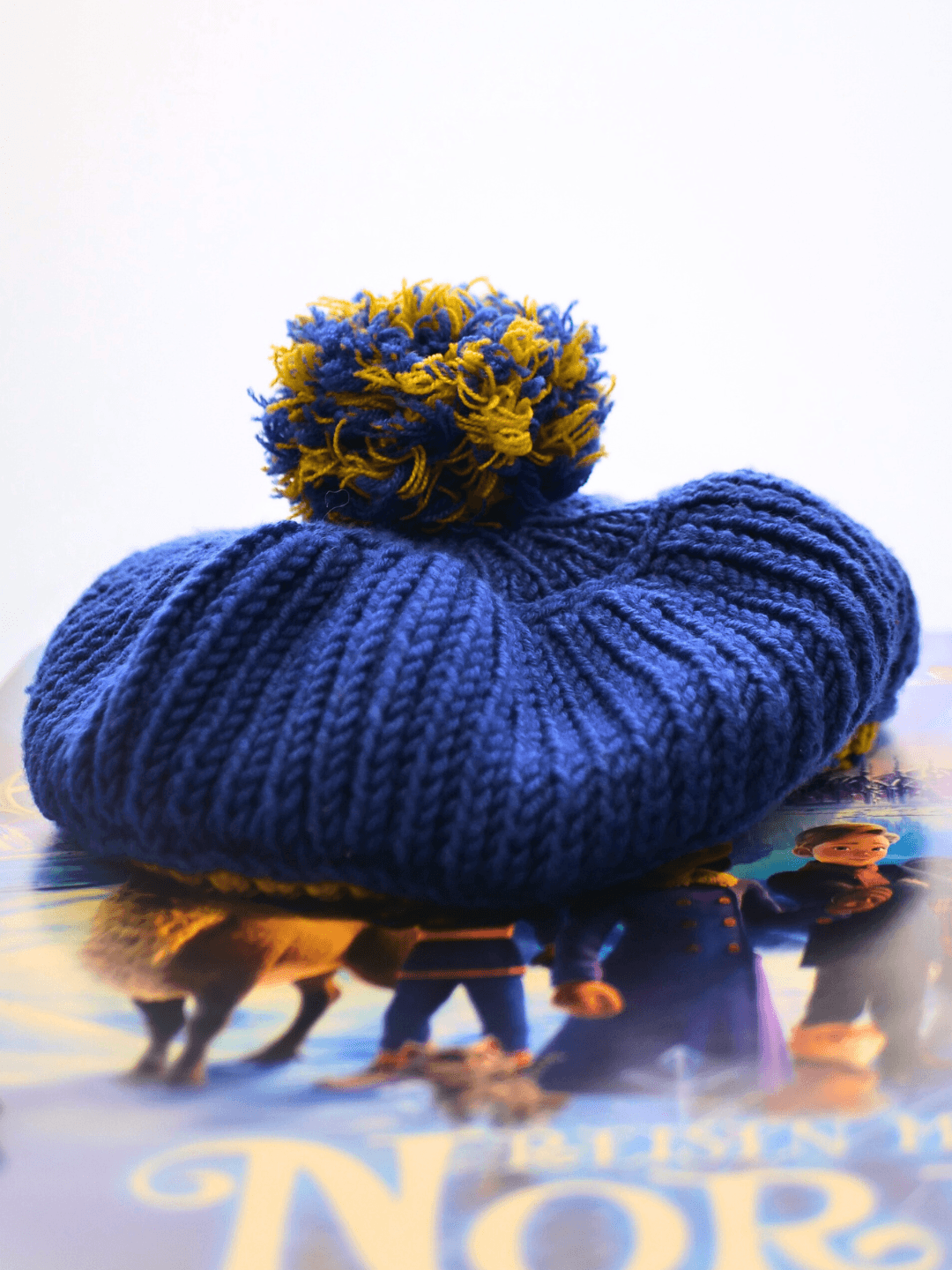
A real example: when the team behind North The Movie decided to launch merchandise, they used SomebodyMakeIt to go from zero to 7 finished products in 21 days. Not prototypes. Finished, sellable products.
For most brands, a realistic timeline on the faster route is 3 to 6 weeks for a first batch, depending on product complexity.
How Much Does It Cost to Produce Merchandise for an Entertainment IP?
This is where most brands get surprised.
The traditional approach to launching even one product can run you NOK 200,000 (~$19,000 USD) or more when you factor in design work, factory minimums, shipping, and middleman overhead. And that is for a single SKU, with a timeline measured in months.
The North The Movie team did it differently. They launched 7 products in 21 days for NOK 39,000 (~$3,700 USD) total. That is not a typo. Seven products, three weeks, a fraction of the traditional cost.
The difference is the model. Instead of committing to a large factory run upfront, you start with a small batch from a local maker, prove demand, and scale only what sells. You are not paying for inventory that might sit in a warehouse.
Here is a rough breakdown of what drives cost in merchandise production:
- Minimum order quantities (MOQs). The higher the MOQ, the more you are betting upfront. Factories that work with independent IP brands often have lower MOQs, sometimes as few as 25 to 50 units.
- Product complexity. A screen-printed t-shirt costs less to produce than a resin figure with multiple paint layers.
- Local vs. overseas production. Local producers often cost more per unit but cost less overall when you factor in shipping time, customs, and the risk of quality surprises.
- Sampling. Plan for this. A sample run adds cost but saves you from ordering 300 wrong-colored hoodies.
If you are early-stage, budget for small batches first. You will spend a bit more per unit, but you will learn fast and not get stuck with dead inventory.
What If I Only Want 50 Units to Start?
You can. This is exactly how most IP brands should start.
The small-batch model exists precisely for this. Fifty units is enough to test a product at a launch event, in a fan store, or as a drop tied to your release date. If it sells out, you know you have something worth scaling.
The makers in the SomebodyMakeIt network are built for this. They are not the same factories that need a 500-piece minimum to justify a production run. They are designers, crafters, and small manufacturers who specialize in short-run, high-quality work.
If you need to produce at scale later, the platform can help with that too. But starting small is almost always the smarter move.
How Do I Find Manufacturers for Custom Gaming Merchandise?
Finding the right manufacturer is the hardest part of the process for most brands. Here are the main options:
Option 1: Alibaba and direct factory sourcing. You can find manufacturers directly on platforms like Alibaba. The upside is low unit costs at scale. The downside is high MOQs, long lead times, quality uncertainty, and a lot of back-and-forth over email with suppliers you have never met.
Option 2: Print-on-demand services. Platforms like Printful or Printify let you sell products without holding inventory. The upside is zero risk. The downside is limited customization, lower perceived quality, and thin margins.
Option 3: Local and regional manufacturers via a matching platform. This is the newer approach. You describe what you need, and a platform matches you with producers who have the specific capability and are geographically close to you. You get faster turnaround, easier communication, and more control over quality.
SomebodyMakeIt works as this third option. You post a project brief, and within 24 hours you are matched with vetted producers from a network of 850+ makers across 39 countries. The matching is based on what they can actually make, not just what category they are listed under.
For IP-driven brands, option 3 tends to work best for the first few product lines because it gives you speed and flexibility without the risk of a large factory commitment.
Can I Launch Merchandise in Small Batches Before Committing to Bulk Orders?
Yes. This is the recommended approach.
Here is why small batches make sense for IP merchandise specifically:
- You do not know yet which products your fans will actually buy. You might think a hoodie is the obvious choice, but your fans might go crazy for a desk figure you almost cut from the lineup.
- Fan demand can spike unpredictably. If you get a feature in a big gaming publication or a clip goes viral, you want to be able to move fast, not wait three months for a reorder.
- Small batches let you test quality. You will catch problems early, before they become 300-unit problems.
The model works like this: make a small run, sell it, learn what worked, reorder or pivot. Repeat.
This is how North The Movie launched 7 products in 21 days. Not by committing to large runs of everything, but by moving fast on small batches with local makers, then scaling the products that resonated.
What Types of Merchandise Work Best for Gaming and Entertainment IPs?
Start with products that are easy to make in small batches and have high perceived value for fans:
- Enamel pins. Low cost to produce, high fan appeal, easy to ship.
- Art prints. Great for showcasing IP art. Low MOQ. High margin.
- T-shirts and hoodies. High demand but more size complexity. Start with one design in three sizes.
- Stickers and patches. Low price point, high volume potential, easy add-on to other orders.
- Figurines and resin pieces. Higher cost and complexity, but extremely high fan value for the right IP.
Avoid starting with products that require a lot of size variants, complex assembly, or electronics. Keep your first batch simple.
The Fastest Way to Get Started
Here is the shortest version of everything above:
- Pick one product type to test.
- Write a simple brief describing what you need: the product, your IP's aesthetic, your target quantity, and your deadline.
- Post it to a platform that matches you with producers who can actually make it.
- Review your matches, pick a maker, and get a sample made.
- Launch your first small batch. See what your fans buy.
- Scale only what sells.
You do not need a distributor, a warehouse, or a 12-month runway to launch IP merchandise. You need a clear brief and the right maker.
Ready to Launch?
SomebodyMakeIt matches IP-driven brands with vetted manufacturers across 39 countries. Post a brief, get matched in 24 hours, and start selling faster than you thought possible.